
District XXI · Danube
Csepel
The northern tip of Csepel Island: Hungary's largest industrial complex, the workers' councils of 1956, and a quiet side-arm of the Danube.
What it is
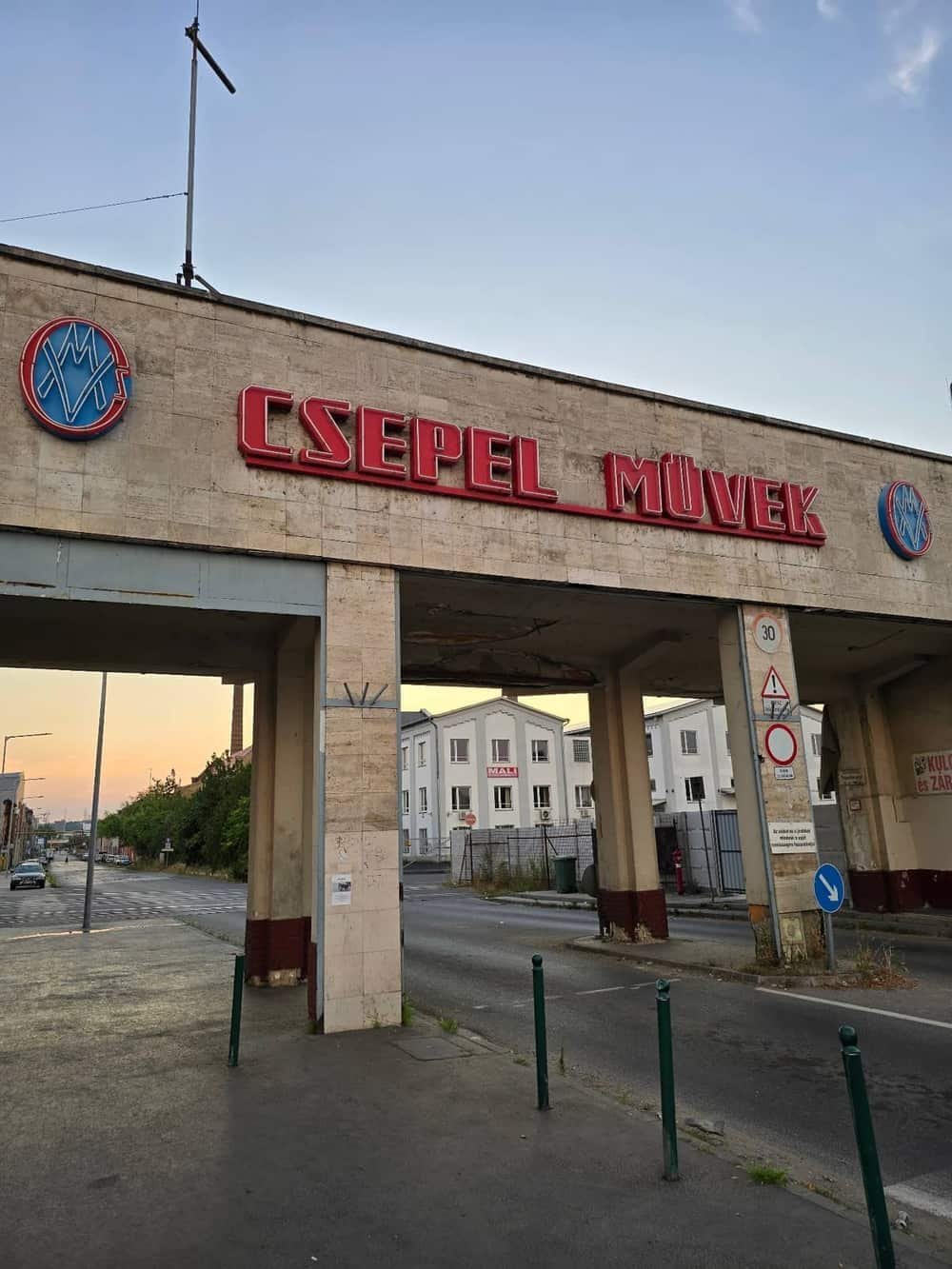
The northern end of Csepel Island, in the middle of the Danube south of the city. For most of the twentieth century this meant one thing: the Csepel Works, the metal and machine complex founded by Manfréd Weiss in 1892 that grew into the largest industrial site in Hungary and, at its peak, employed tens of thousands.
What is here
The industrial legacy. Parts of the works are derelict, parts have been carved up into small businesses, and parts are slowly being repurposed. It is not a curated heritage site — it is an enormous working-and-half-abandoned industrial estate that you can see from the road and around the edges of.
The history that matters. In October 1956 the Csepel workers' councils were among the most determined centres of the revolution, and among the last to stop striking after Soviet tanks retook the city in November. If you have read about 1956, this is where the industrial working class enters the story.
The Kis-Duna. The Ráckeve–Soroksár Danube arm runs down the eastern side: still water, marinas, fishermen, waterside paths. It is where the district goes at the weekend and is a completely different register from the works.
What it is like
Post-industrial and residential, with a strong local identity and essentially no visitor infrastructure.
Who it suits
People interested in industrial history or in 1956 beyond the memorials in the centre. Not a general sightseeing destination, and it does not pretend to be.
The practical catch
Access is by the H7 HÉV suburban railway from Boráros tér, which is straightforward, but the works themselves are largely private property. Look from the outside, do not climb into anything, and be aware that a lot of what you will read online describes buildings that have since been demolished.
🏛️ Attractions
See all →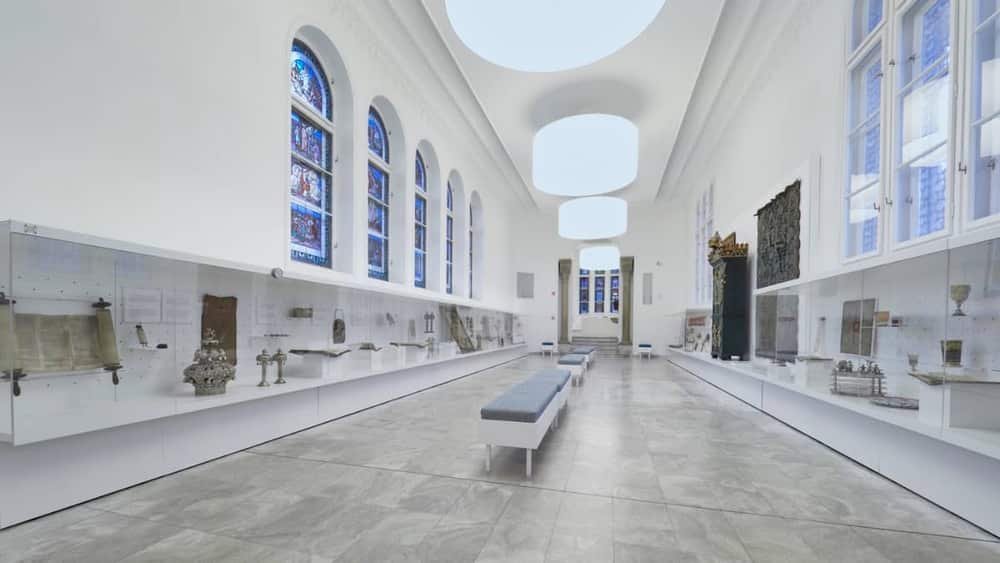
♨️ Thermal baths
See all →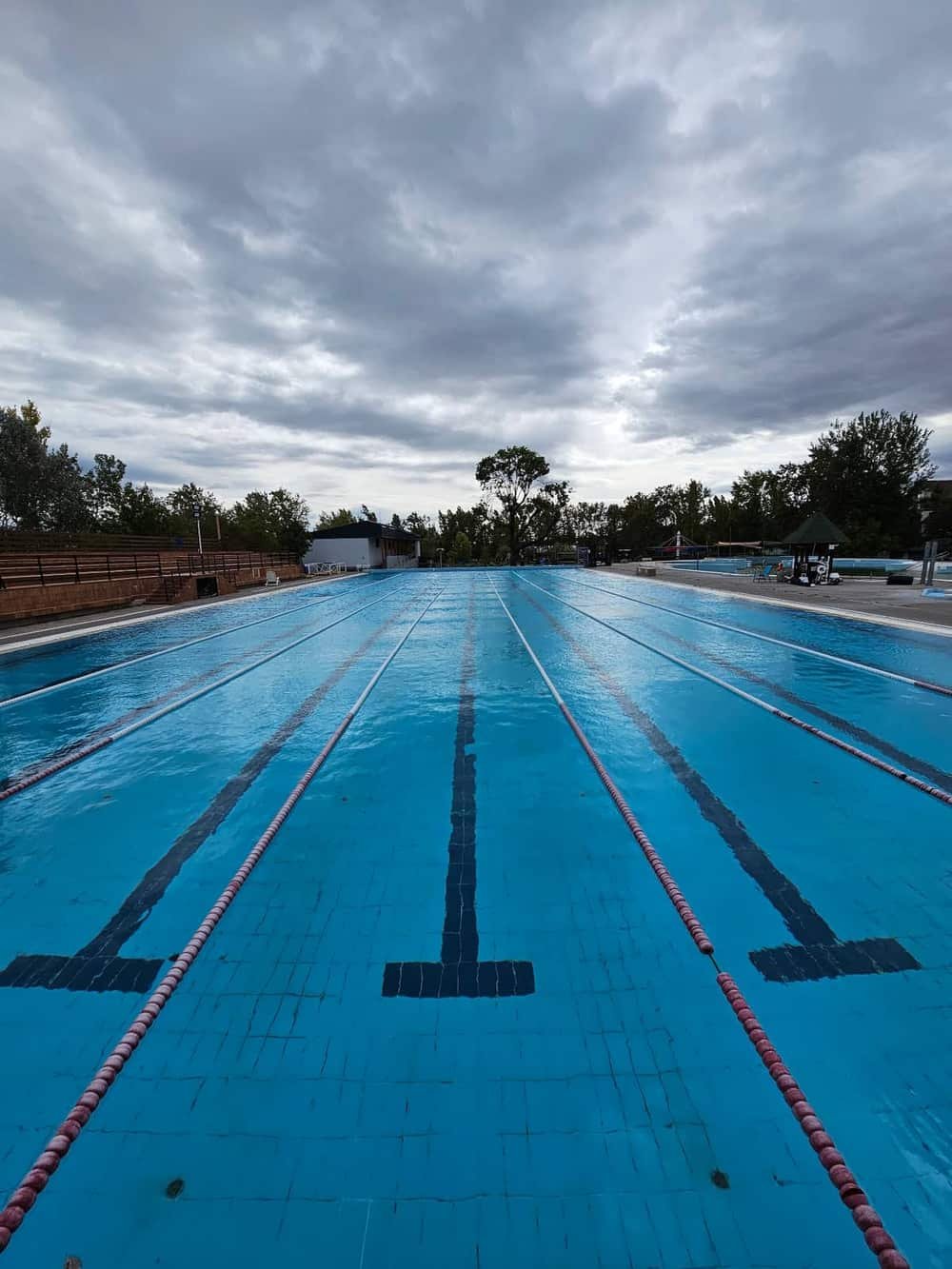
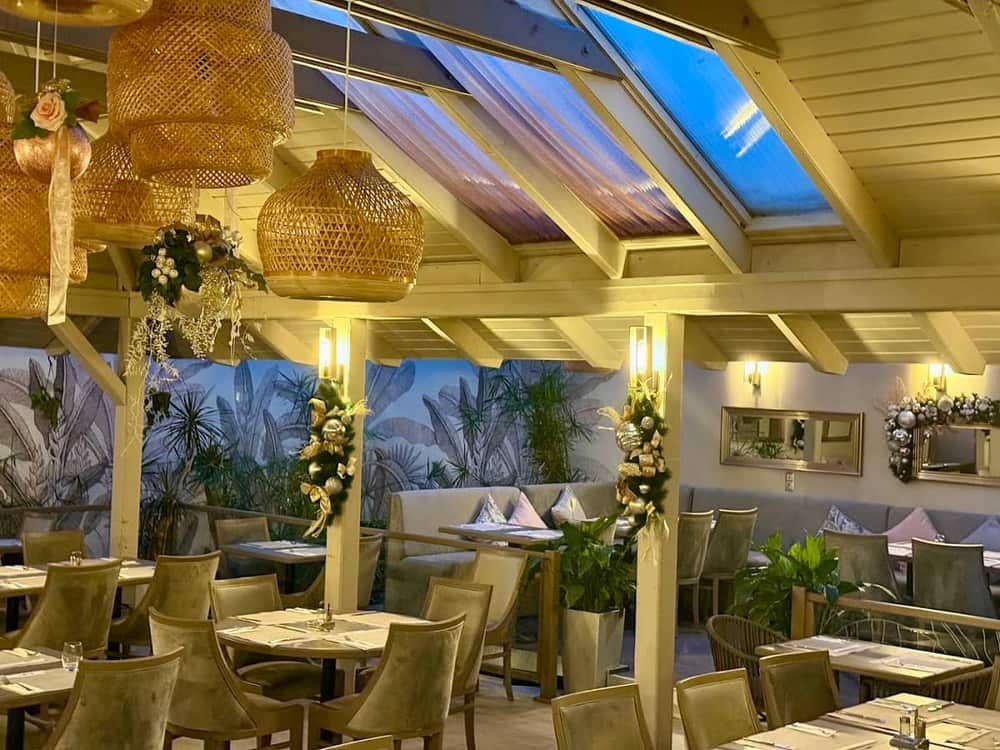
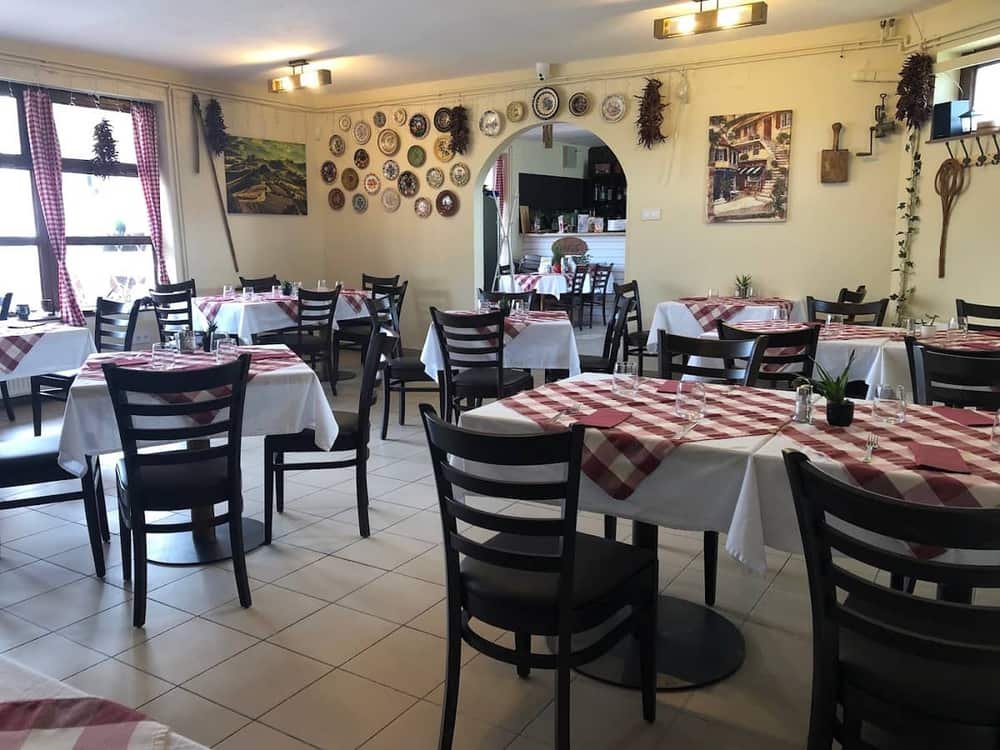
🍽️ Restaurants
See all →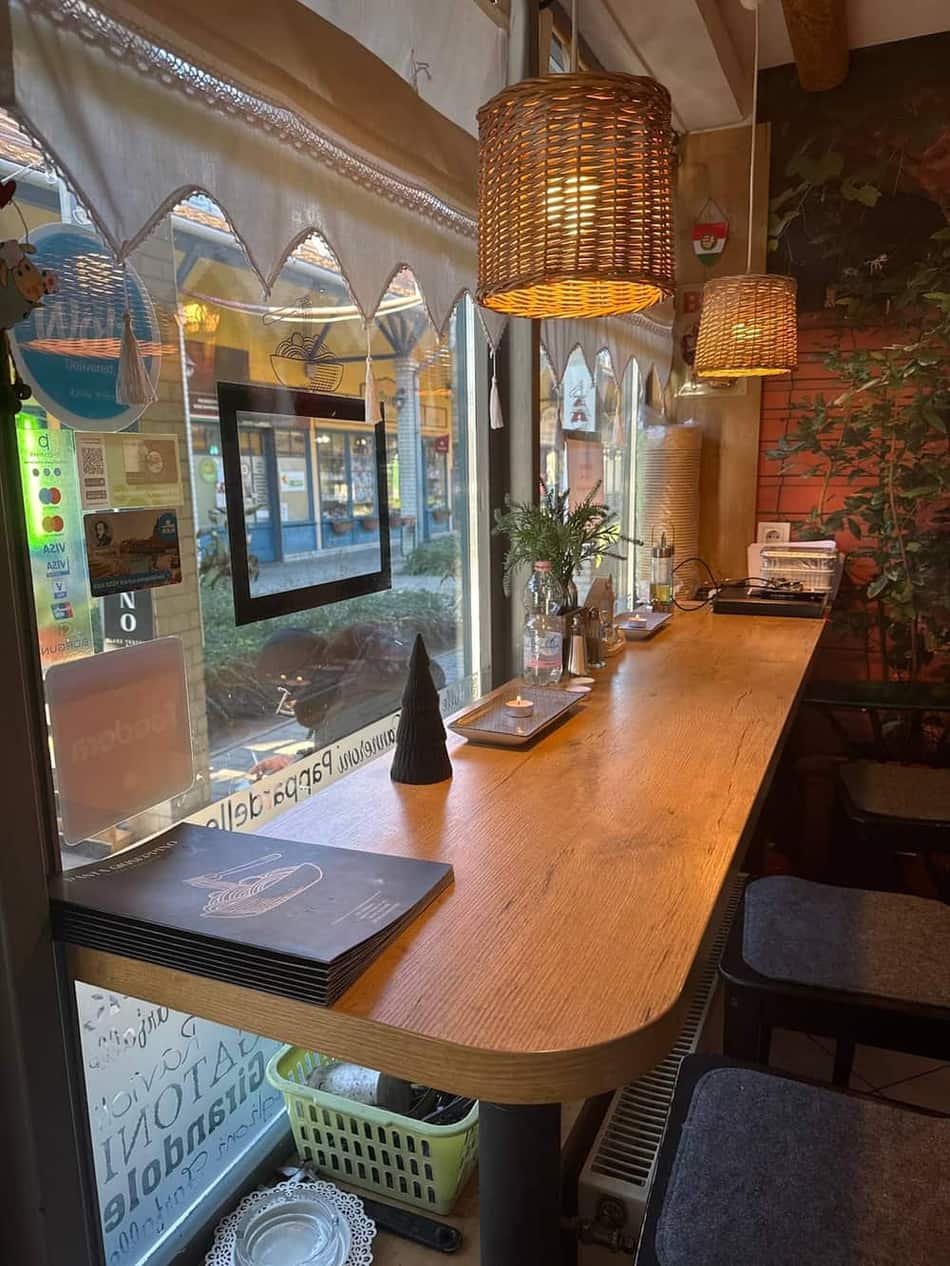
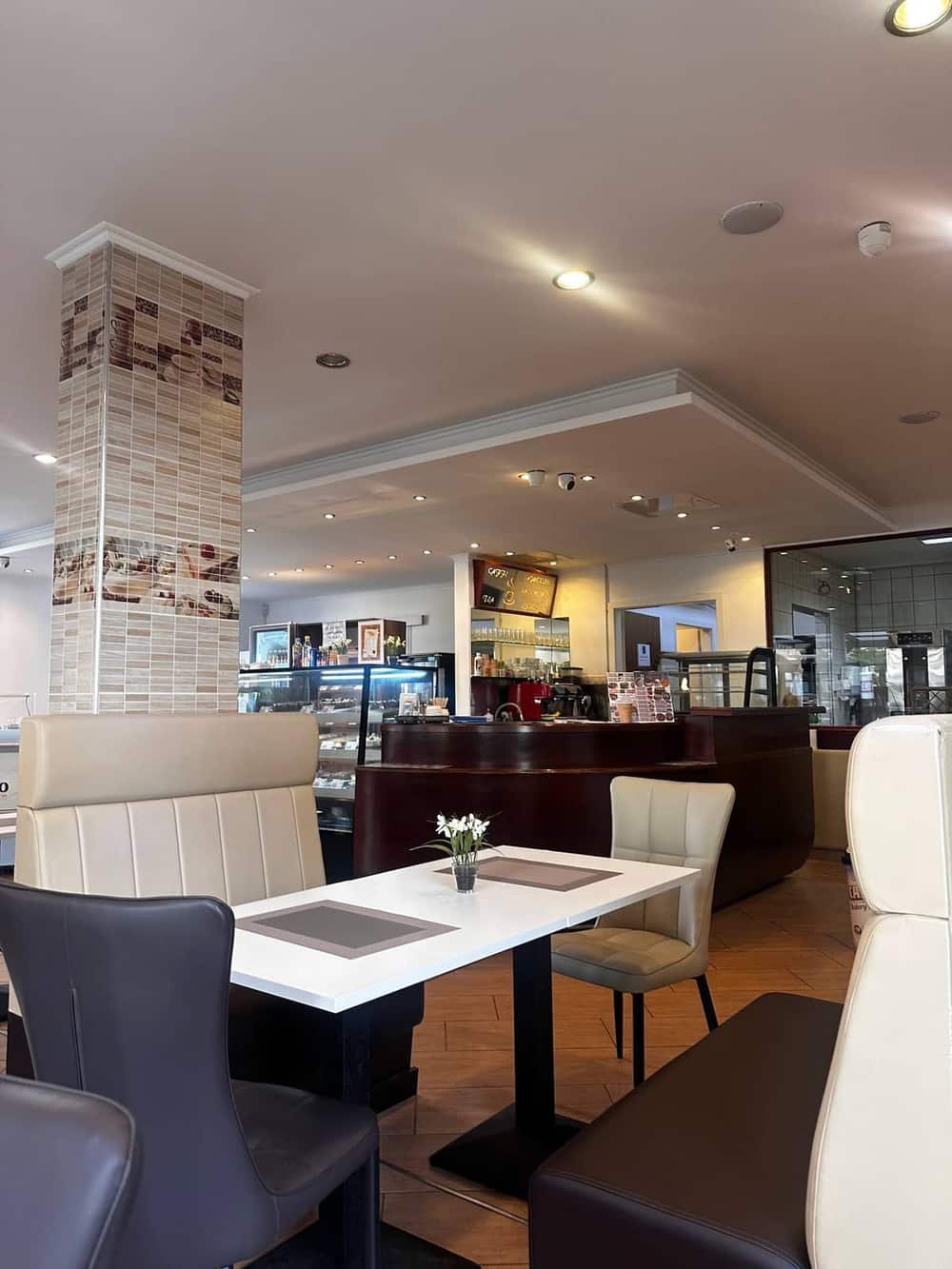
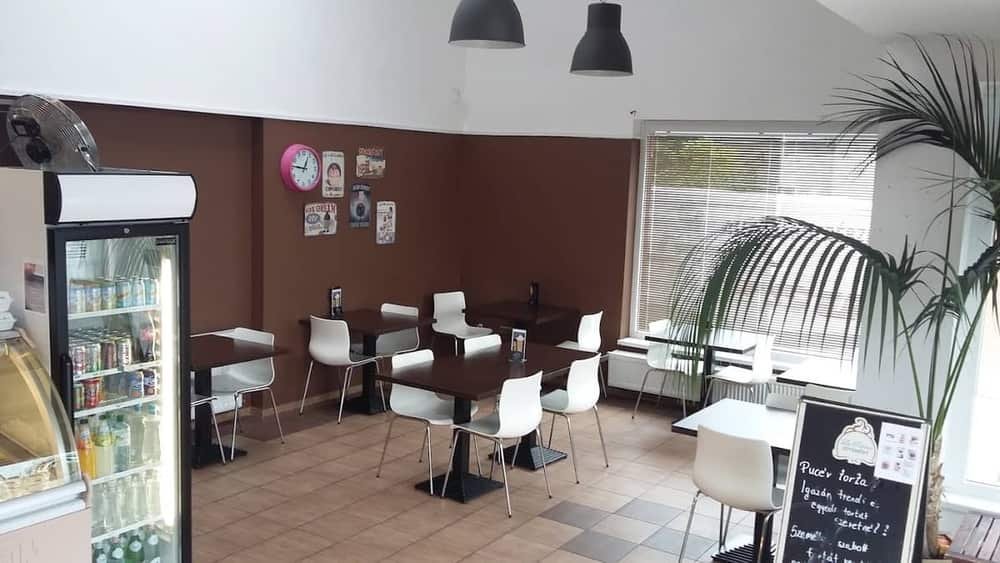
☕ Coffee houses
See all →
4.6(65)out of 5 on Google
Closed · Monday from 09:00
🍸 Ruin bars & nightlife
See all →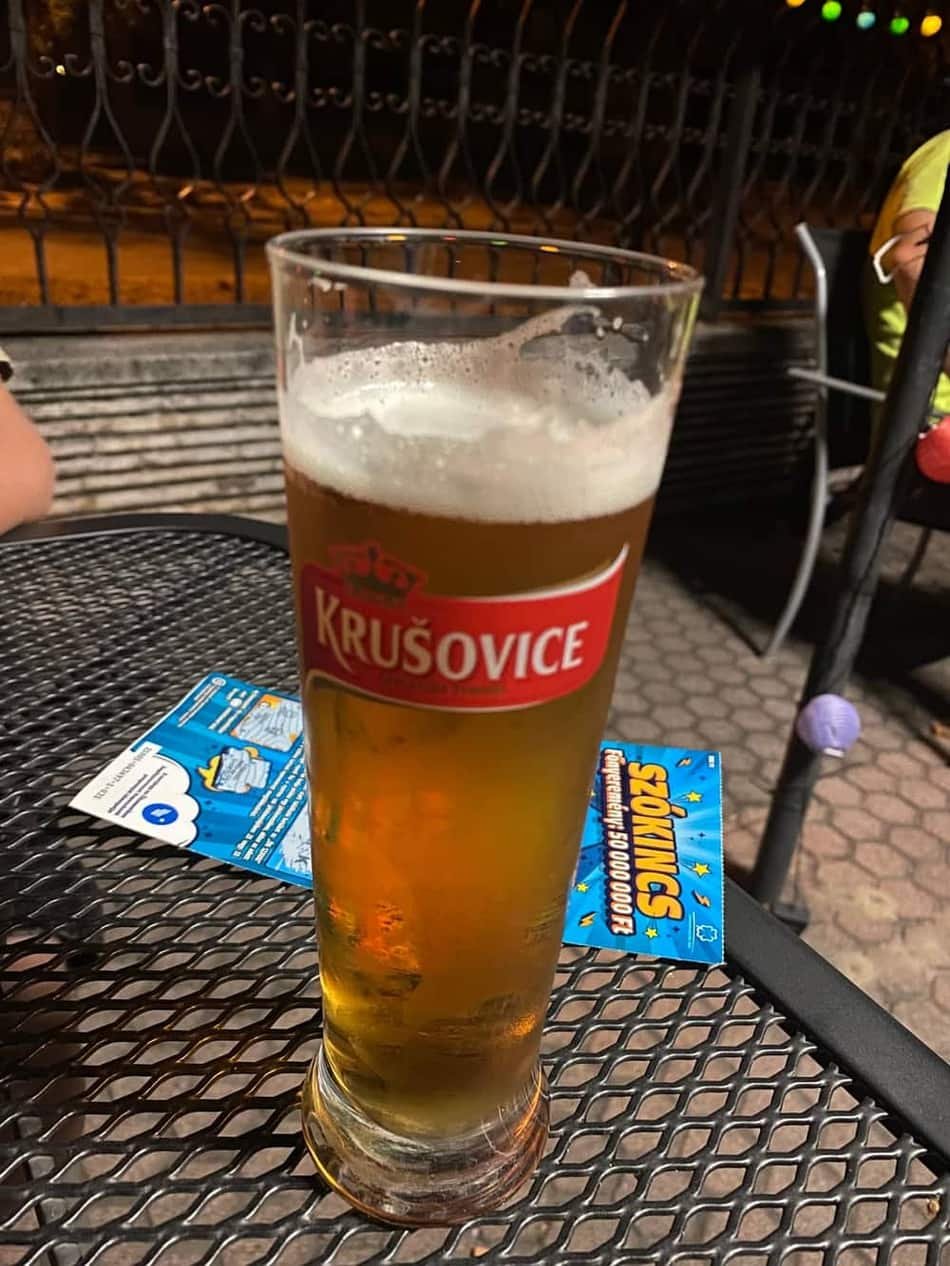
Where to stay in Csepel
Live prices and availability on a map centred on this exact spot — hotels, apartments and hostels, so you can judge the walk from here rather than guess from an address.
Bookings made through this map earn us a commission. Your price is unaffected.
Tours & tickets nearby
We may earn a commission from these. It never changes your price.
Frequently asked
Which district of Budapest is Csepel in?
Csepel is District XXI, on an island in the Danube. It is easy to verify from the postcode: the four digits start with 1 and the next two give the district, so any address here begins 121. That is the quickest way to find out where a listing actually is before you book it.
What is worth seeing in Csepel?
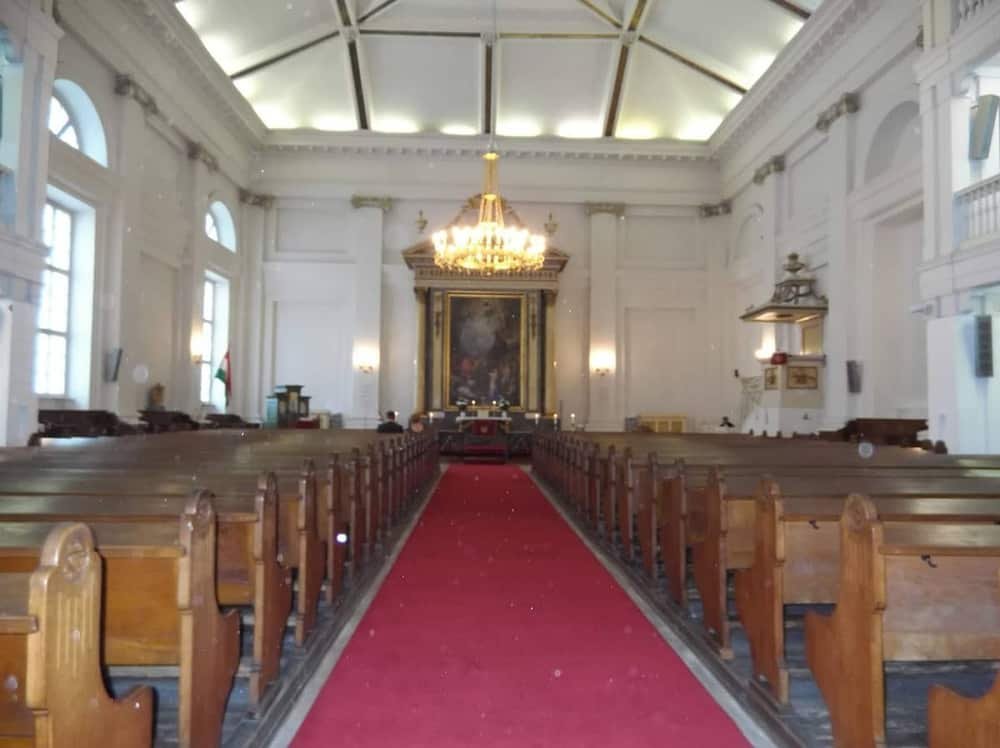
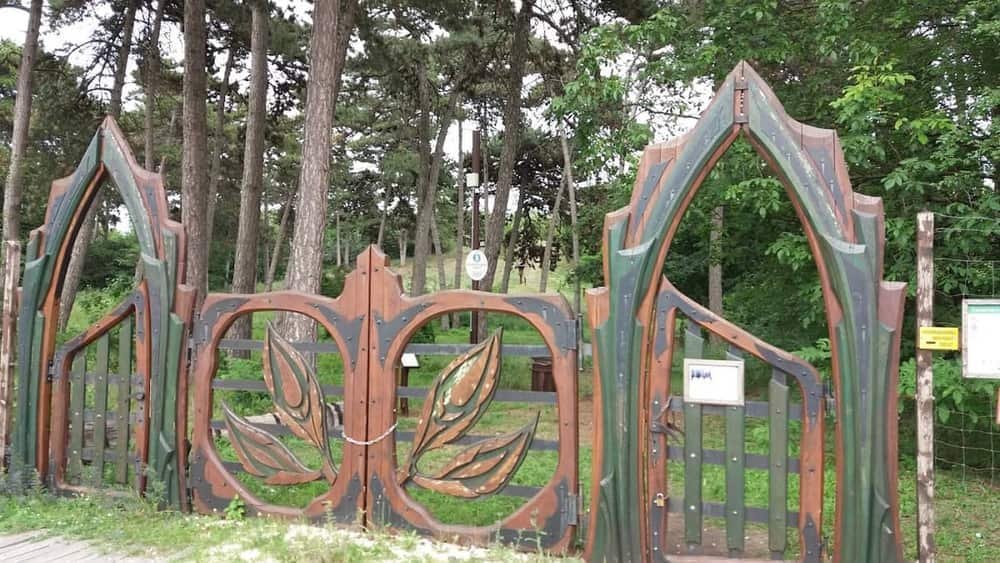
The best-known sights here are Lutheran Church of Ferenc Deák Square, Tamariska-domb Természetvédelmi Terület and Hungarian Jewish Museum and Archives. The full list, with opening hours and a map, is further up this page.
Where should I eat in Csepel?
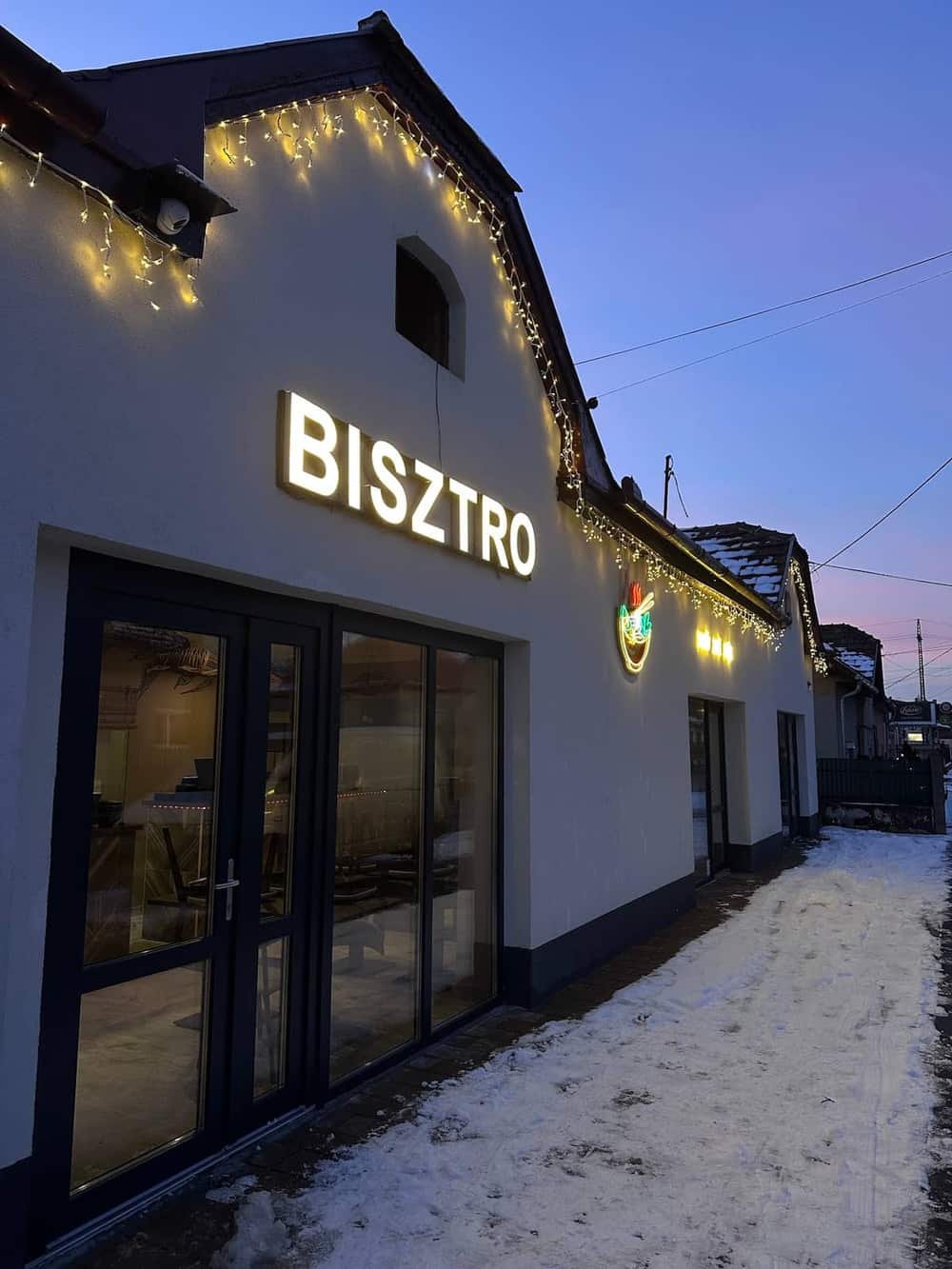
Among the best-rated restaurants in the district are Pasta Giuseppino, La-Guna Restaurant & Sushi Mori and Ohanam Vietnámi Bisztró. The ratings come from Google and are refreshed periodically — they are not paid placements.
Are there thermal baths in Csepel?
Yes — Csepel Bath. Budapest sits on an active geological fault line, which is why thermal springs surface in districts all over the city rather than in one spa quarter.
Does Csepel have any nightlife?
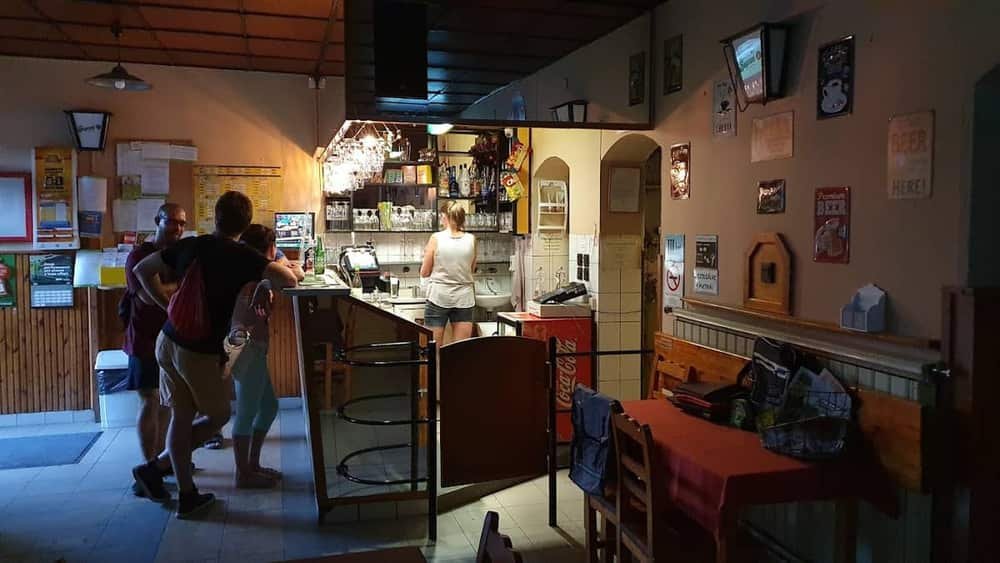
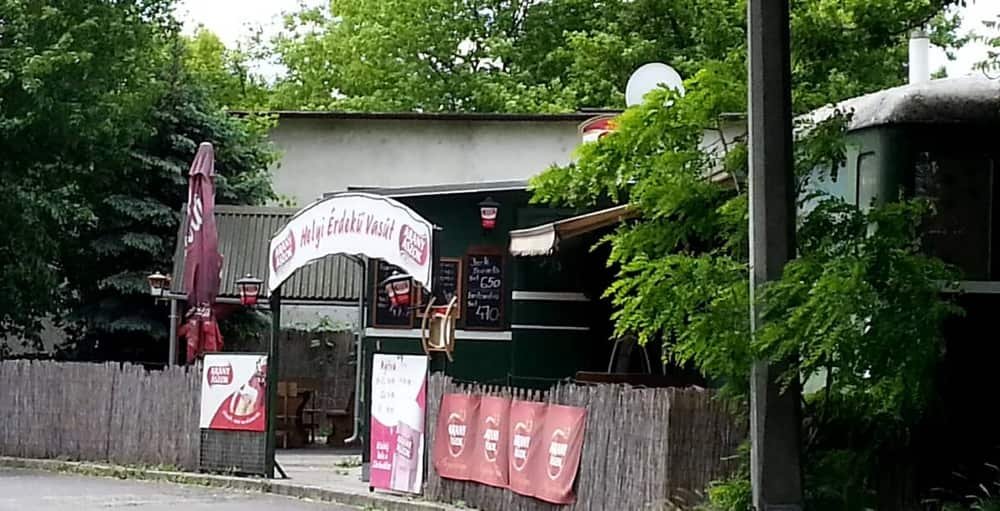
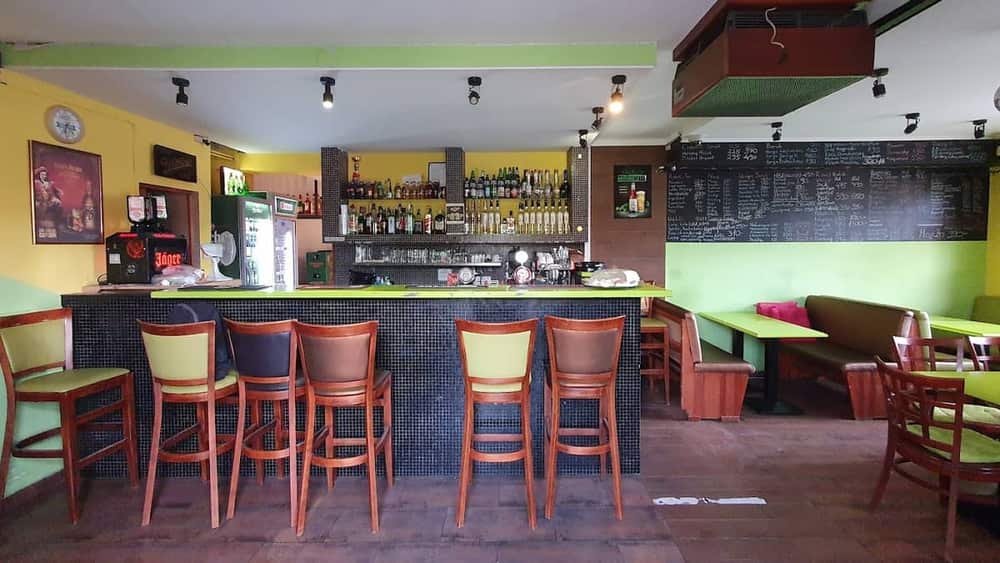
Yes, though not at the intensity of the Jewish Quarter. Reference points in the district include Totó Söröző • Pizzéria, Sörömtanya and Csepeli Hév Söröző.
Districts next door
Budapest is compact and its districts run into one another — these are the closest, by walking distance from the centre of this one.
Before you go
Skip-the-line ticketsEntry booked ahead for museums, baths and towers — which on a winter Saturday at Széchenyi is a genuinely long queue avoided.Check tickets →City passOne pass covering a set of attractions. It pays off only above roughly three paid sights a day — worth the arithmetic before you buy.See what it covers →Self-guided audio toursA guided route on your own phone, at your own pace, for a fraction of a walking tour. Good in the Castle District and the Jewish Quarter, where the story is not written on the buildings.Browse audio tours →Experiences & day tripsDanube cruises, bath entries, Szentendre and the Danube Bend, and the ruin-bar crawls — booked ahead.Browse experiences →
We may earn a commission from these. It never changes your price.