Blog
Free things to do in Budapest that are not filler
Tony Denesa – Travel Advisor8 min read
Free-things-to-do lists usually pad themselves with parks and window shopping. This one does not need to, because several of Budapest's genuinely essential experiences carry no admission at all — including the one image the city is known for.
For the wider version of this, see Budapest on a budget.
The view everyone photographs
The Fisherman's Bastion is the white neo-Romanesque terrace above the Danube with seven turrets, one for each Magyar tribe that settled the Carpathian Basin.
The upper towers charge admission. The lower terrace does not, is open at all hours, and the view from it — across the river to the Parliament — is all but identical. Almost everyone who pays does so without realising there was a free option four metres below.
Go late. At eleven at night it is lit, empty and better.
The memorial that matters most
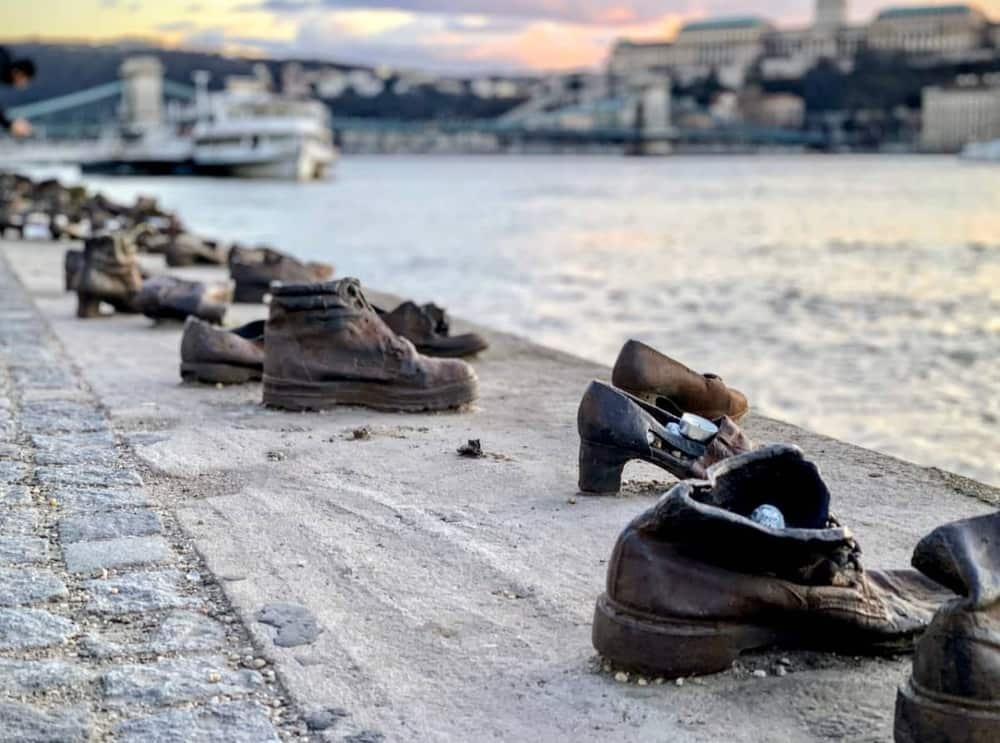
Shoes on the Danube Bank is sixty pairs of iron shoes bolted to the stone embankment, marking where Arrow Cross militiamen shot Jewish Budapesters into the river in the winter of 1944–45. Victims were made to remove their shoes first, because leather had value.
It takes two minutes to see, costs nothing, and is the most affecting thing in the city.
Walking the whole thing
The Danube embankment between the Chain Bridge and the Parliament is a UNESCO World Heritage stretch and free to walk. Széchenyi Chain Bridge itself — opened 1849, the first permanent link between Buda and Pest — is a five-minute crossing on foot and the best five minutes of any Budapest day.
Andrássy Avenue in Terézváros runs two and a half kilometres from the centre to Heroes' Square, lined with nineteenth-century mansions and also UNESCO-listed. Walking it end to end is free and takes about forty minutes.
Heroes' Square itself, with the Millennium Monument and its colonnade of Hungarian rulers, costs nothing, and behind it the City Park and the exterior of Vajdahunyad Castle are open to walk around.
Churches, which are free and extraordinary
St Stephen's Basilica is free to enter. It holds the mummified right hand of Stephen I, Hungary's first king, crowned in the year 1000 — displayed in a reliquary in a side chapel. The dome terrace charges a small fee; the nave does not.
Gellért Hill Cave is a working Pauline church built inside the rock of Gellért Hill, sealed in concrete by the Communist authorities in 1951 and reopened in 1989. Small charge at some times, free at others, and unlike anything else in the city.
Szent László Church out in Kőbánya is free and is one of Ödön Lechner's finest buildings — Zsolnay ceramic, folk motifs, a roof that behaves like embroidery. Almost no visitors get there.
The high ground
Citadella promenade on Gellért Hill, 235 metres above the river, gives you both banks and every bridge at once. The climb takes about twenty minutes from the Buda side and costs nothing.
Elizabeth Lookout on János Hill, in the Hegyvidék hills, is the highest point in Budapest at 527 metres. The tower is free to climb; only the transport up costs anything, and the cogwheel railway is covered by a normal transport ticket.
Markets and neighbourhoods
The Great Market Hall in Ferencváros is free to walk through, and the ground floor — paprika, salami, preserves, honey — is a genuine working market rather than a display.
Kós Károly tér in the Wekerle estate out in Kispest is a public square, and one of the most surprising pieces of architecture in Hungary: a Transylvanian folk-idiom garden city built for workers from 1908, with carved timber gateways. Free, and almost never visited.
Margaret Island is a free public park in the middle of the Danube, with a musical fountain that runs to a timed programme, a Japanese garden and medieval convent ruins.
Two that cost a transport ticket
Not free, but close enough to mention.
Tram 2 runs along the Pest embankment past the Parliament and is regularly listed among Europe's most scenic tram routes. One ticket.
The M1 metro under Andrássy Avenue opened in 1896, is the oldest underground line on the European continent, and still runs in its original shallow tunnel with wooden-framed stations. One ticket, and it is a museum you ride through.
When free is genuinely better
Two of the things above — the lower terrace of the Fisherman's Bastion, and the walk across the Chain Bridge at night — are not compromises. They are the best versions of those experiences, and paying more would not improve them.
Where to stay nearby
Live prices and availability on a map centred on this exact spot — hotels, apartments and hostels, so you can judge the walk from here rather than guess from an address.
Bookings made through this map earn us a commission. Your price is unaffected.