
Guides
Is Budapest expensive? What a day actually costs
Tony Denesa – Travel Advisor9 min read
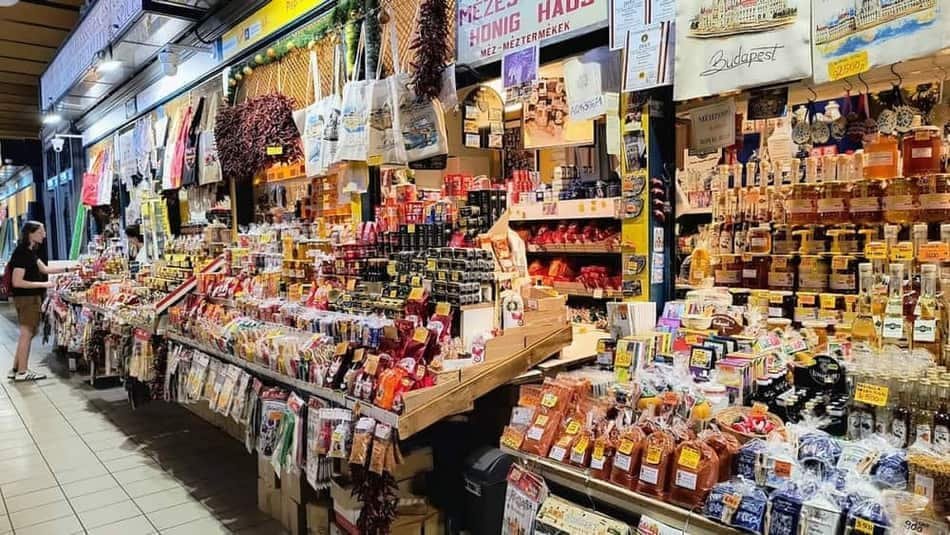
Budapest has a reputation as a cheap city that is about fifteen years out of date, and a reputation as an expensive one that is wrong. The truth is specific: it is clearly cheaper than Vienna or Munich, roughly comparable to Prague, and the size of the gap depends entirely on what you are buying.
Where the gap is widest
Food and drink. This is where Budapest still genuinely undercuts Western Europe. A main course at an ordinary restaurant off the main streets runs about ~3,500–6,000 Ft — menu prices sampled August 2026 — and a beer in a ruin bar about ~1,800–2,800 Ft on the same sampling. The equivalent in Vienna is roughly double.
Public transport. A single ticket is 500 Ft — BKK fares, checked August 2026 — and a travelcard covering everything including the cogwheel railway is among the best-value city passes in Europe.
Concert and opera tickets. A seat at the Hungarian State Opera can cost less than a mid-range restaurant main. This is a genuine anomaly and the music article makes the case for exploiting it.
Wine. Hungarian wine is cheap relative to quality, and the gap widens at the good end — the wine guide explains what to buy.
Where it is not cheap at all
Central accommodation in season. A District V hotel in June is priced like a European capital, because it is one. This is the single largest line in most people's Budapest budget and the one where the "cheap city" reputation misleads hardest.
The 2026 short-term rental bans in Districts VI and VII removed a large amount of cheap apartment supply from two central districts, which has pushed prices up further.
Thermal baths. A weekend day ticket at Széchenyi is around 12,000 Ft — official price list, checked August 2026 — and city-wide bath prices rose roughly 5 per cent on 7 January 2026. Two bath visits is a real budget item, not a rounding error.
The tourist strip. Restaurants directly on Váci utca and around the Castle District are priced for a captive audience and are worse as well as dearer. Three streets in any direction fixes both.
What a day actually costs
Three honest shapes, excluding accommodation and flights.
Lean. Transport travelcard, market-hall lunch, a supermarket breakfast, one paid sight, dinner at a neighbourhood place, one drink. Budapest supports this well because so much of the highlight reel is free.
Normal. Travelcard, a café breakfast, a sit-down lunch, one museum, a bath, dinner with wine, two drinks. This is what most visitors actually spend and where the city still feels good value.
Comfortable. Add a dinner cruise or a Parliament tour, a better restaurant, and taxis instead of trams.
The budget guide breaks the lean version down properly.
The four things that quietly cost you money
1. Dynamic currency conversion. When a card machine offers to charge you in your home currency, decline. That rate is set by the machine's operator and is consistently the worst available. This costs visitors more than any other single mistake in Budapest — the forint guide explains why.
2. Standalone ATMs in tourist streets. Use machines attached to actual banks.
3. Paying in euros. Some tourist-facing businesses accept them at a rate always worse than a bank's.
4. Váci utca. See above.
When it is cheapest
Late January, February and November are dramatically cheaper than summer — flights, hotels and restaurant availability all move together. The best-time guide has the full year, and the short version is that the cheapest months are also when the baths are at their best, which is an unusually good trade.
The first half of December is cheaper than the second, before the Christmas markets fill.
Avoid the Sziget week in August and any weekend with a Formula 1 race, when accommodation across every district rises.
Tipping, and the double-tip trap
Tipping is expected in Hungarian restaurants and bars at around ten per cent, and it is normal to say the total you want to pay rather than leaving coins on the table.
But check the bill first. A large number of central Budapest restaurants now add a service charge of 12–13 per cent automatically, printed as *szervízdíj*. When it is there, the tip is already paid and adding another ten per cent on top is pure loss — this is the single most common way visitors overpay without being scammed at all.
The charge is legal and must be disclosed on the menu. Read the bottom of the menu once on your first evening and you will know what to expect for the rest of the trip. The eating guide covers the rest of restaurant practice.
Taxi drivers, bath attendants and hotel staff are tipped modestly; museum and shop staff are not tipped at all.
The honest summary
Budapest is not cheap. It is good value, which is a different claim: you get a major European capital, a UNESCO riverfront, a bath culture nothing else matches and a serious restaurant scene, at meaningfully less than the cities it competes with.
The bargain is in what you eat, drink, hear and ride. It is not in where you sleep.
Where to stay nearby
Live prices and availability on a map centred on this exact spot — hotels, apartments and hostels, so you can judge the walk from here rather than guess from an address.
Bookings made through this map earn us a commission. Your price is unaffected.