
Guides
The best time to visit Budapest, month by month
Tony Denesa – Travel Advisor10 min read
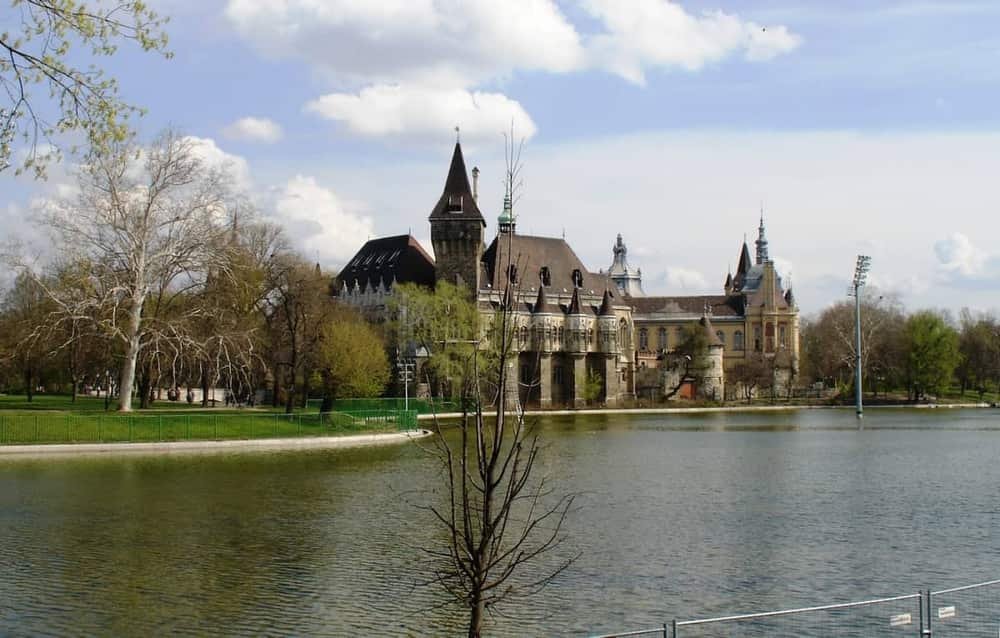
Budapest has a continental climate with real seasons: hot summers, cold winters, and two short shoulder periods that are the best time to be here. Most visitors come in July and August, which is the worst combination of heat, crowds and price the year offers.
Here is the year, honestly.
The short answer
Best overall: late April to mid-June, and September. Warm, walkable, everything open, prices below peak.
Best value: November and late January to February. Cheap, cold, and the thermal baths are at their absolute best.
Most atmospheric: December, for the Christmas markets.
Avoid if you can: mid-July to mid-August. Hot, expensive, and full.
Spring — March to May
March is unreliable: still cold, often grey, but prices are low and the city is empty. The Spring Festival begins toward the end of it in some years.
April is where it turns. Trees come out along Andrássy, terraces reopen, and the temperature settles into the high teens. This is arguably the single best month: everything is open, nothing is full, and walking the city is a pleasure rather than an endurance test.
May is April with more people and more reliable weather. The Spring Festival runs 2–17 May in 2026.
The spring guide has the detail.
Summer — June to August
June is genuinely good — long evenings, everything open, the Danube Carnival, and the heat has not properly arrived.
July and August are the problem. Temperatures regularly reach 33–35°C, the stone centre holds it into the night, hotel prices peak, and the sights are at capacity. Sziget takes over the city for six days in August — 11–15 August in 2026 — and accommodation across every district rises with it.
If you come in high summer, restructure the day: walking before eleven, water or museums in the middle, parks and the river from four. The summer guide covers the strand baths and the hills, which are the two real escapes.
20 August, St Stephen's Day, brings fireworks over the Danube and several hundred thousand people to the embankments.
Autumn — September to November
September is the other best month. The heat breaks, the light goes golden, the crowds thin, and the Wine Festival fills Buda Castle — 9–12 September in 2026.
October is beautiful and increasingly unpredictable. The City Park and the Buda hills turn, the Budapest Marathon closes the embankments for a morning, and 23 October is a national holiday marking 1956.
November is grey, wet and cheap — and it is the month the baths start being the best thing in the country. The Christmas markets open in the second half.
The autumn guide has more.
Winter — December to February
December is the busiest winter month by a distance: the Christmas markets run from mid-November into the first days of January, and the light projection on St Stephen's Basilica is the most photographed thing in the city that month. Flights and hotels are cheapest in the first half of December, before the markets fill.
January and February are the cheapest weeks of the year and the coldest — around 0 to 5°C, sometimes well below. They are also, for a specific kind of visitor, the best: the baths in snow, empty museums, no queue at the Parliament, and a city that belongs to the people who live in it.
The winter guide covers the indoor plan.
What actually decides it
Four questions, in order of how much they matter:
Do you want to be outside? If yes, April–June or September. If you are happy indoors, winter is cheaper and better.
Are the baths the point? Then come in winter. The contrast between 38°C water and freezing air is the whole experience, and in August it is just a warm pool.
Are you on a budget? Late January, February and November are dramatically cheaper than July.
Is there an event you want? Sziget, the Wine Festival, the Christmas markets and the 20 August fireworks all have fixed windows — the events page lists the dates, with the confirmed 2026 editions marked as confirmed rather than estimated.
The one combination to avoid
A first visit, in July, without air conditioning. Check that your accommodation has it — a top-floor flat under a roof in a 35°C week is genuinely unpleasant, and a great many older buildings in Districts VI and VII do not have it.
The where-to-stay guide covers the districts, including the 2026 short-term rental ban that changed the options in two of them.
Where to stay nearby
Live prices and availability on a map centred on this exact spot — hotels, apartments and hostels, so you can judge the walk from here rather than guess from an address.
Bookings made through this map earn us a commission. Your price is unaffected.