Guides
Budapest in winter is better than you think
Tony Denesa – Travel Advisor2 min read
Most European cities are a compromise in winter. Budapest is one of the few that is arguably at its best.
The reason is the water
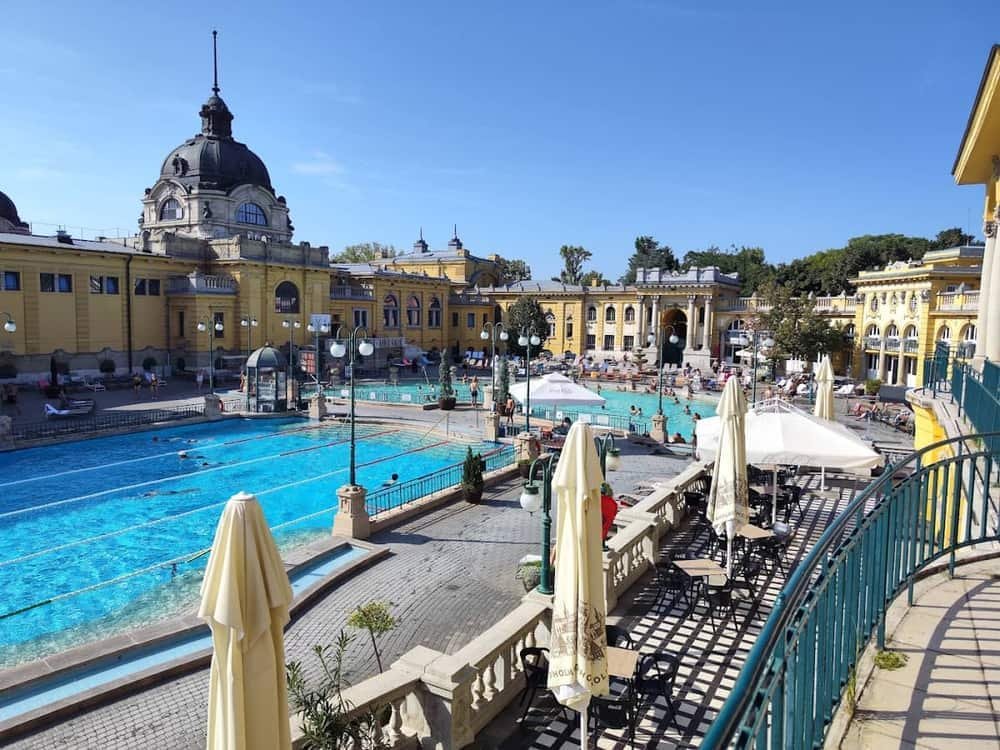
Sitting in a 38°C outdoor pool with frost in the air and steam coming off the surface is the defining Budapest experience, and it does not work in July. Széchenyi keeps three outdoor pools warm all winter. On a cold weekday morning, with the steam thick enough to hide the far end of the pool, it is worth the trip on its own.
Everything else is emptier
The Castle Hill without tour groups. The Fisherman's Bastion terraces with nobody on them. The museums in the City Park, which are excellent and which almost nobody visits in January. Restaurants that need booking a week ahead in June will seat you on the night.
The markets
From late November through December there are Christmas markets, principally on Vörösmarty tér and outside St Stephen's Basilica. The Basilica one has an ice rink and, on most evenings, a light projection onto the church façade. They are genuinely good, they are also the one time of year central hotel prices spike, and they close in the first days of January.
The City Park ice rink, in front of Vajdahunyad Castle, is the largest outdoor rink in Europe and stays open the whole season.
What to expect from the weather
Cold rather than extreme: often around or just below freezing, grey more days than not, and the daylight gone by four in the afternoon. Budapest sits in a basin, so winter inversions can trap poor air for several days at a time — worth checking if that affects you.
Practical
Pack for cold and wet feet rather than deep snow. Plan indoor afternoons: coffee houses, museums, baths. And accept the short days rather than fighting them — the city looks better lit than it does grey, and everything on the river is floodlit from four o'clock.