The city
Hungarian wine: the country that invented the sweet wine kings drank
Tony Denesa – Travel Advisor8 min read
Hungary makes serious wine, almost none of it leaves the country, and Budapest is the easiest place in the world to drink it.
Tokaj, and a claim worth understanding
Tokaji Aszú is a sweet wine made from grapes affected by *botrytis cinerea* — noble rot — which concentrates sugar and acid as it desiccates the fruit on the vine.
Two claims are made for it and both hold up. Documented botrytised winemaking in Tokaj dates from the 1570s, roughly a century before Sauternes. And in 1737 the region was given a royal classification of its vineyards by quality — the first such system anywhere, predating the Douro by two years and Bordeaux's 1855 classification by well over a century.
Louis XIV is supposed to have called it *the wine of kings, the king of wines*, and the phrase is still on the labels.
The sweetness is measured in puttonyos, historically the number of hods of aszú berries added to a barrel of base wine, now a legal sugar scale running from 3 to 6. What makes good Tokaji remarkable is not the sugar but the acidity underneath it: it should finish clean rather than cloying.
Dry Tokaji — *Tokaji Furmint*, made from the same grape without the rot — is the region's other output and is genuinely excellent: mineral, high-acid, and the most food-friendly white in the country.
Bull's Blood, and the honest version
Egri Bikavér — Eger Bull's Blood — is the wine everyone has heard of and the one most likely to disappoint.
The name comes from a siege legend: the defenders of Eger drank red wine, the Ottoman besiegers saw the stains and concluded the Hungarians were drinking bull's blood, which explained their strength. Good story, almost certainly invented in the nineteenth century.
The wine is a blend, and during the communist decades it was produced in volume at low quality for export, which is why its reputation abroad is poor. The modern *Bikavér Superior* category from serious Eger producers is a different thing entirely. If you try one bottle of Hungarian red, make it that rather than the cheap version.
The regions worth knowing
- Tokaj, north-east. Aszú and dry Furmint.
- Villány, south. The best reds in the country — Cabernet Franc above all, which does something here it does almost nowhere else.
- Szekszárd, south-central. Reds again, Kadarka and Bikavér, generally better value than Villány.
- Eger, north. Bikavér, and increasingly good whites.
- Somló, west. Tiny, volcanic, and produces intense, smoky whites that wine people get evangelical about.
- Balaton, around the lake. Whites, and the region most Hungarians actually drink from.
The grapes to ask for
Furmint (white, high acid, the Tokaj grape). Hárslevelű (white, floral). Juhfark (white, Somló, sharp). Kékfrankos (red, peppery, the workhorse). Kadarka (red, light, historic). Cabernet Franc (red, Villány, the international success).
Drinking it in Budapest
Kadarka Wine Bar is the reliable central choice, with a rotating by-the-glass list that leans Hungarian. Borkonyha — the name means wine kitchen — holds a Michelin star and is built around the list. There are natural-wine bars across District VII and District VI.
The everyday drink is fröccs — wine cut with soda water, in named ratios. A *kisfröccs* is one part wine to one soda; a *nagyfröccs* two to one; a *házmester* is nine parts wine to one soda and is a joke about caretakers. In a summer garden it is the correct order.
The cellars, which are in the city
You do not have to leave Budapest for wine tourism. Budafok, District XXII, sits over an estimated hundred kilometres of limestone cellars at a constant twelve degrees, and has been making sparkling wine since Törley brought the méthode champenoise home from Reims in 1882.
Cellar visits are almost always by appointment. Turning up unannounced gets you a locked gate — the single most common mistake visitors make there.
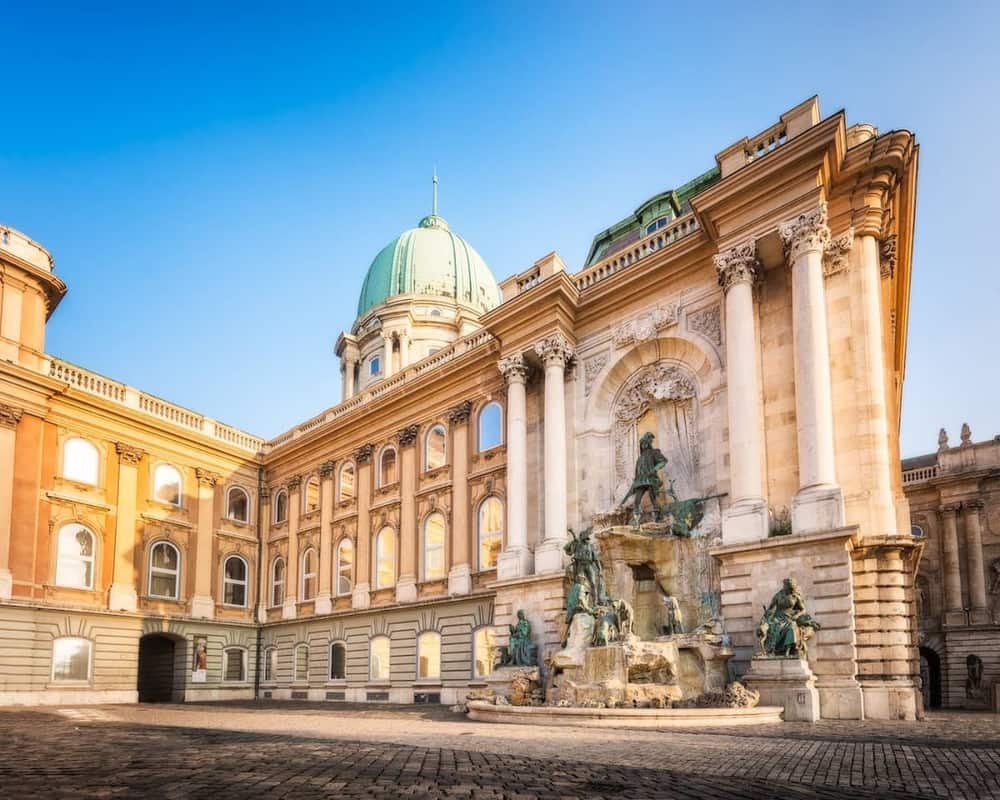
The Budapest Wine Festival in the grounds of Buda Castle in early September is the efficient way to taste across every region in one afternoon.
One practical note
Hungarian wine is cheap by Western European standards and the gap is widest at the good end: a bottle that would be forty euros in Vienna is often half that here. Buy at a wine shop rather than a supermarket, and ignore the souvenir Tokaji sold in tourist streets in decorative bottles — it is the bottle you are paying for.
What to bring home
If you are taking one bottle back, the question is what you cannot buy at home, and the answer is almost never Bikavér.
Dry Furmint is the best case. It is a serious white, it is exported in tiny quantities, and nothing else tastes quite like it — high acid, smoky, and it ages. A good producer's dry Tokaji costs a fraction of what a comparable Burgundy would.
Aszú is the obvious souvenir and is worth it if you buy properly: a 5 or 6 puttonyos from a named producer, in a 500 ml bottle, from a wine shop. It keeps for decades unopened and for weeks after opening, which most sweet wines do not.
Somló whites are the connoisseur's answer and are almost impossible to find outside Hungary.
Skip the tourist-street shops entirely. The wine shops in the inner streets of District V and around Kadarka will let you taste before buying and will tell you honestly what travels.
A note on pálinka
Not wine, but it will be offered. Pálinka is fruit brandy, protected under EU law as a Hungarian product, and it is properly made from whole fruit rather than from neutral spirit with flavouring.
Good pálinka smells overwhelmingly of the fruit it came from — apricot from Kecskemét is the classic — and is drunk at room temperature in a tulip glass, not chilled and not as a shot, whatever the bar in District VII suggests. The cheap stuff in souvenir bottles is a different and much worse drink.
Where to stay nearby
Live prices and availability on a map centred on this exact spot — hotels, apartments and hostels, so you can judge the walk from here rather than guess from an address.
Bookings made through this map earn us a commission. Your price is unaffected.