Guides
Ruin bars, explained
Tony Denesa – Travel Advisor2 min read
Where they came from
The old Jewish Quarter — District VII — was one of the densest parts of the city before the war, and much of it never recovered afterwards. By the 1990s whole blocks of nineteenth-century tenements around inner courtyards stood empty and structurally condemned, in an area a short walk from the centre.
In 2002 a group opened a bar inside one of them, furnished with whatever could be salvaged, and did not renovate the building. That was Szimpla Kert, and the idea turned out to be extremely portable. Within a decade the surrounding streets had a dozen of them.
What they are actually like
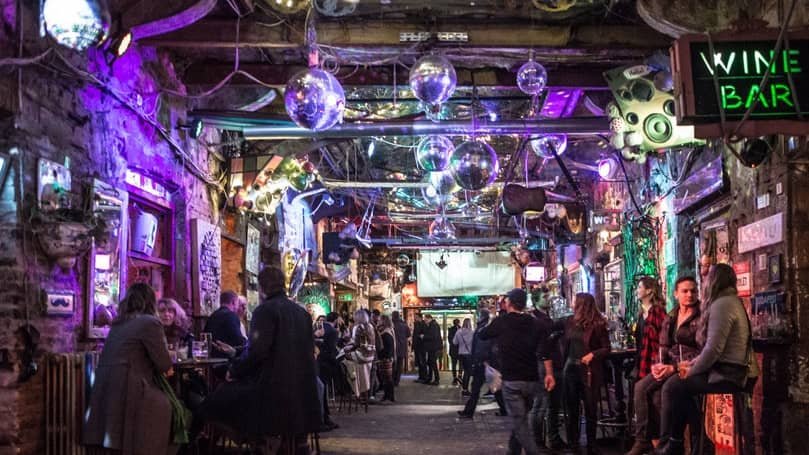
A courtyard open to the sky, several floors of rooms off it, mismatched furniture, bicycles and bathtubs used as seating, projections on the walls, and usually food somewhere. Loud, cheap by Western European standards, and busiest between about eleven and three.
Szimpla is the original and still worth seeing, though it is now firmly a tourist destination and is treated as such. The better move is to see it early and then walk two streets in any direction; the smaller places are cheaper and, after midnight, better.
When to go
The bars fill from about ten and the metro stops at midnight — trams 4 and 6 and the night buses run all night, which is what most people use to get home.
Some ruin bars run daytime markets and food events, particularly at weekends, and Szimpla itself has a Sunday farmers' market. If you want to see the space without the crowd, that is when.
The one warning
Never accept an invitation into a bar from someone who approaches you on the street. The inflated-bill scam is specific to this city's central streets, it is well documented, and it is entirely avoidable by choosing the venue yourself. The ruin bars themselves are not the problem — the invitation is.