
The city
How Budapest's districts work
Tony Denesa – Travel Advisor2 min read
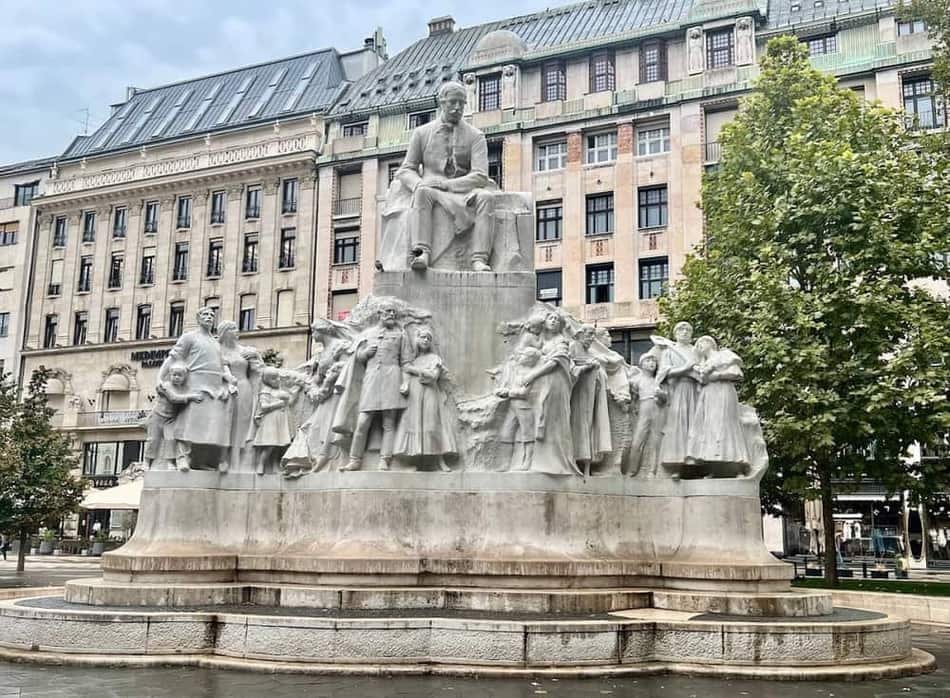
Locals do not navigate Budapest by neighbourhood names. They navigate by district number, and once you understand the system, so can you.
The numbers
There are 23 districts, written in Roman numerals. They were assigned in a rough spiral starting at the Castle Hill:
- I — the Castle District, on the Buda side
- II, III — northern Buda and Óbuda
- IV — north Pest
- V — downtown Pest: Parliament, Basilica, the promenade
- VI, VII, VIII, IX — the inner Pest ring, moving clockwise outward
- X–XXIII — the outer districts on both banks
Odd numbers are not confined to one side and even ones to the other; the spiral crosses the river more than once.
The postcode trick
A Budapest postcode has four digits, and the middle two are the district. 1051 is District V. 1071 is District VII. 1146 is District XIV.
This is genuinely useful: any Budapest address you see online tells you which district it is in, whether or not the listing says so.
What the numbers mean in practice
V is downtown and expensive. VI is Andrássy and the Opera. VII is the Jewish Quarter and the ruin bars — the loudest place to sleep and the most fun to be in. VIII has an aristocratic inner half and a rougher outer half, and the difference is one street. IX is the market hall and the redeveloped riverbank. XIII is residential and good value. XIV is the City Park and Széchenyi.
On the Buda side, I is the Castle, II is hills and villas, III is Óbuda and Roman ruins, XI and XII are green and residential.
Buda or Pest
The broader split matters more than any individual number. Buda is the west bank: hilly, quieter, greener, more residential. Pest is the east bank: flat, gridded, and where nearly all the restaurants, bars and shops are.
Most visitors sleep in Pest and cross to Buda for the day, which is the right way round.