Guides
Budapest for couples: the romantic city that is not on the postcards
Tony Denesa – Travel Advisor9 min read
Budapest has a reputation as a romantic city that is entirely deserved and mostly misapplied. The version sold to couples — a dinner cruise, a horse-drawn something, a candlelit table on Váci utca — is the crowded, expensive, generic version.
The city is genuinely romantic for a different reason: it is a place where the good hours are early morning and late night, and where the best things cost very little.
The hours that matter
Seven in the morning, in a bath. Széchenyi opens early, and for the first hour or so it is mostly locals swimming lengths and steam coming off the water into cold air. It is a completely different place from the afternoon, and it is the single best romantic hour in Budapest. In winter, with snow on the pool edge, it is unimprovable.
Eleven at night, on Castle Hill. The Fisherman's Bastion is a queue at midday and empty at eleven, lit, with the whole of Pest laid out below. The lower terrace is free at every hour.
Sunset from the water. A river cruise is worth it specifically if you board about forty minutes before sunset and it is the evening one — the daytime cruises are the same route without the reason for it. If you would rather not pay, public transport boat services run on the river and cost a normal fare.
The places the guidebooks skip
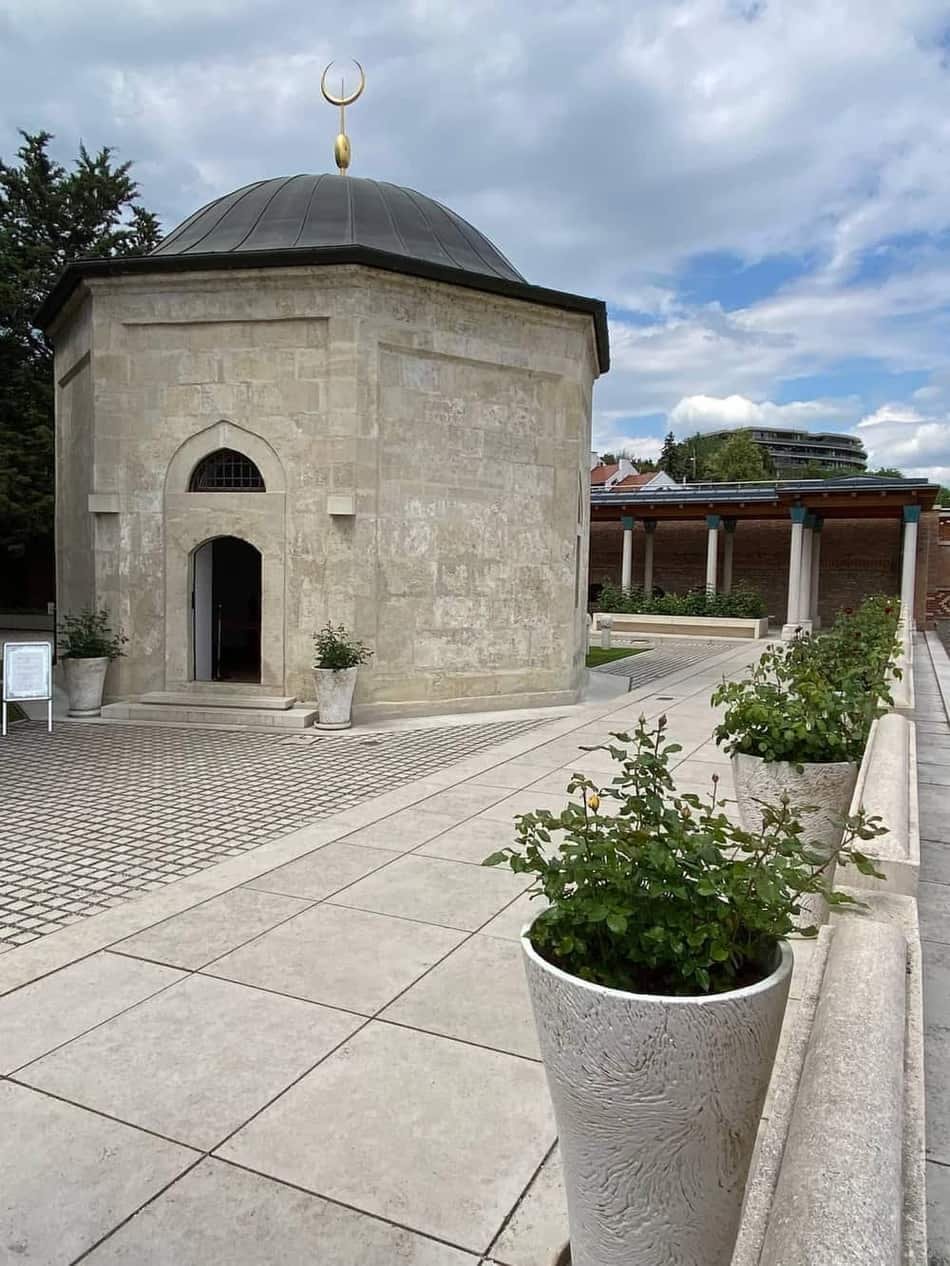
Gül Baba's tomb and rose garden. An Ottoman dervish's tomb from the 1540s on a terrace above Rózsadomb, surrounded by roses, with a view over the river. It is small, quiet, almost never crowded, and it is the most romantic corner of the city. The Ottoman century explains how it got there.
The Elizabeth Lookout. The tower at the top of János Hill, reached by cogwheel railway and chairlift, is the highest point in the city and the best view in it. Go late afternoon and come down in the dark.
Margaret Island at dusk. The island has no cars, a musical fountain, a ruined thirteenth-century convent and a running track full of people ignoring you. Walk the length of it after dinner.
A historic coffee house, mid-afternoon. Not the New York Café, which is spectacular and a queue. The coffee house article lists the ones that are still cafés.
The Danube bridges on foot. Cross the Liberty Bridge at night. It is green, art nouveau, low over the water, and there are usually people sitting on it.
Where to eat, without the trap
Skip anything with a photograph of the food, anything on Váci utca, and anything where someone outside invites you in.
Budapest's actual restaurant scene is very good and mostly not where visitors look — the eating guide separates the genuine Hungarian rooms from the tourist versions, and the wine article explains why the wine list is the interesting part of the menu here.
For a real occasion, book a table with a river view a week ahead rather than walking up to one. For a better evening at a third of the price, eat in Újlipótváros or Ferencváros, where the neighbourhood restaurants are.
Read the bill before tipping — many central restaurants add a 12–13 per cent service charge automatically, and the cost guide explains the double-tip trap.
Where to stay
For couples the district choice matters more than the hotel. District V is the quiet, walkable, slightly formal option; District VI puts you on Andrássy with the opera at the end of the street; District VII is where the nightlife is, which is either the point or the problem.
Note that short-term rentals are banned in District VI from January 2026 and restricted in District VII, so those two are effectively hotel-only now — the accommodation guide has the full picture.
The season changes what romantic means here
Winter is Budapest's best romantic season, and this is not the usual seasonal hedging. An outdoor thermal pool at minus five, with steam so thick you cannot see the other end, is the city's defining experience and it only exists in the cold. Add the Christmas markets between mid-November and early January, the earliest dark of the year, and hotel prices that are a fraction of June's. The winter guide has the detail.
Late spring is the prettiest — Gül Baba's roses, Margaret Island in flower, and evenings long enough to walk after dinner without it being cold.
Summer is the hardest to make romantic, because the centre is hot, crowded and expensive, and the good hours shrink to before ten and after eight. It is redeemed by the river and by the fact that everything moves outdoors — the summer guide works around it.
Early autumn is the quiet best of both: warm, empty, and the wine season.
A two-day romantic shape
Day one: late start, Castle Hill in the afternoon, Gül Baba at golden hour, dinner in District V, the Bastion at eleven.
Day two: the bath at opening, coffee house at noon, Margaret Island in the afternoon, the sunset cruise or the Liberty Bridge, and a late dinner.
Everything else — the two-day and three-day itineraries, the museums, the day trips — is available and is a different holiday. This one is about hours, not sights.
Where to stay nearby
Live prices and availability on a map centred on this exact spot — hotels, apartments and hostels, so you can judge the walk from here rather than guess from an address.
Bookings made through this map earn us a commission. Your price is unaffected.